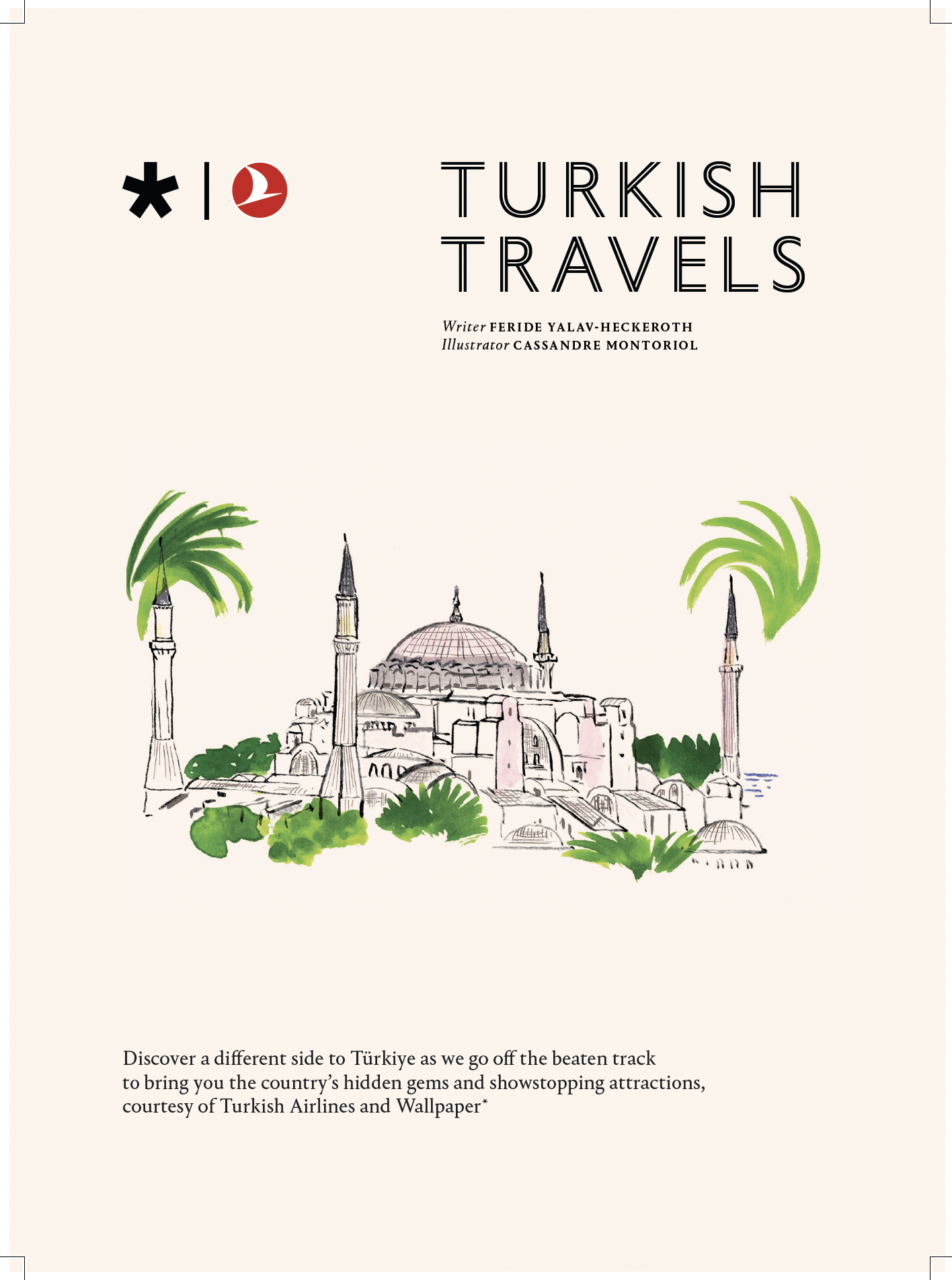
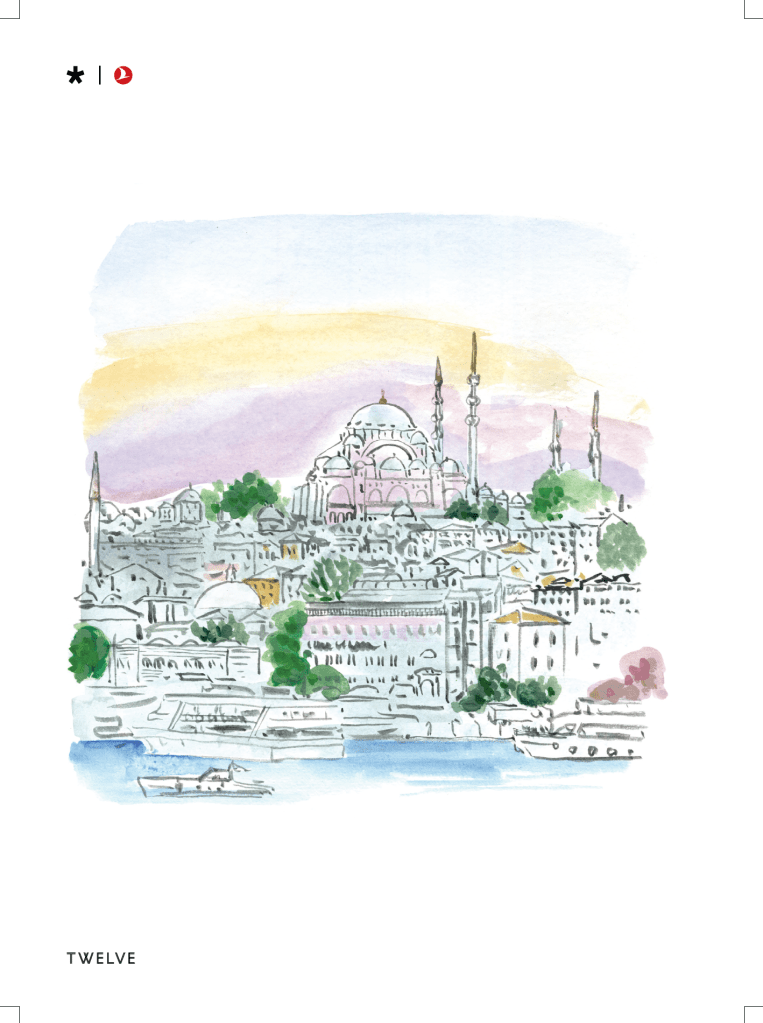
Turkey is an amalgamation of innumerable layers, which reveal themselves individually and incrementally when traveling through the lands contained within its borders. From the Aegean, Mediterranean and Black Sea coast, the mountainous landscapes, the vast Anatolian steppe, the large cosmopolitan cities and the smallest of villages – every corner possesses its own story, culture, history and traditions. It is a land of juxtapositions, often placed side-by-side; conservative and liberal, historic and modern, traditional and unconventional. From afar, Turkey is synonymous with its luxury resorts that line its endless coast, the iconic domes and minarets of Istanbul’s old city, the colorful bazaars, the fairy chimneys, the whirling dervishes, the celebrated UNESCO sites, Turkish tea in tulip-shaped glasses.
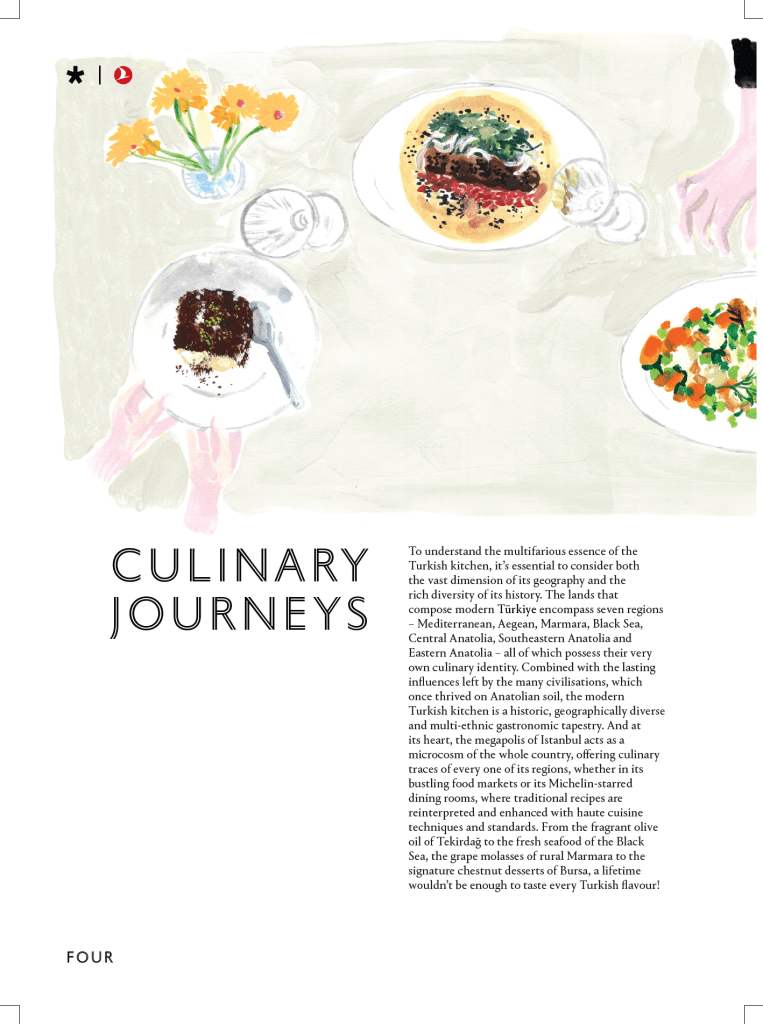
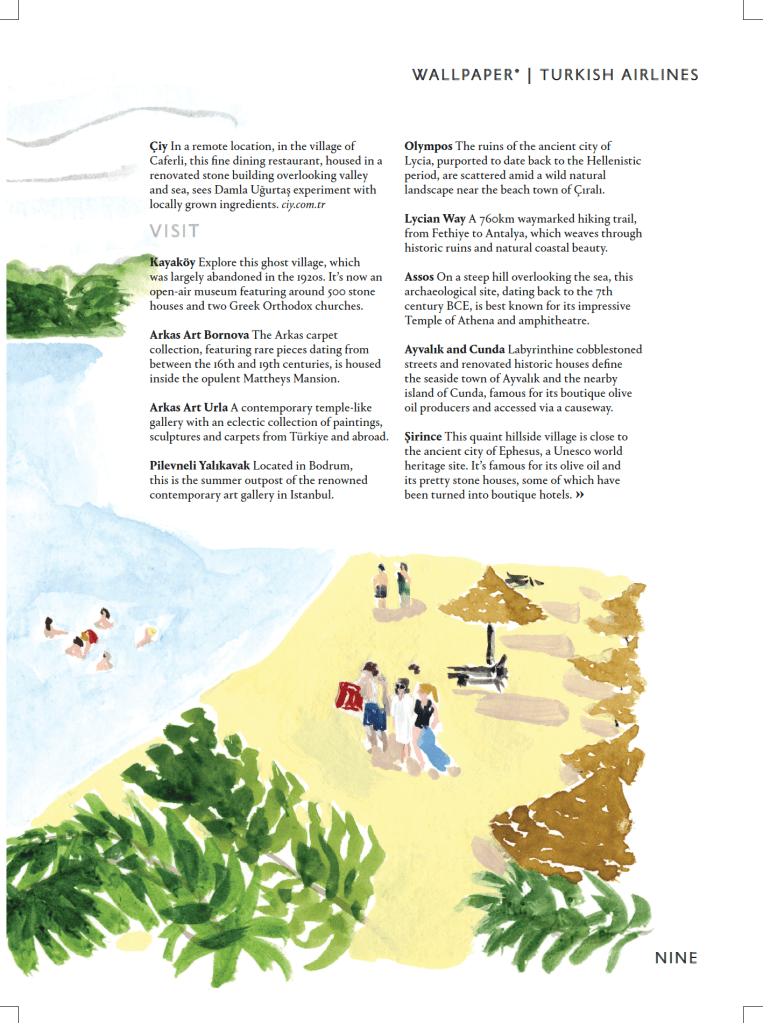
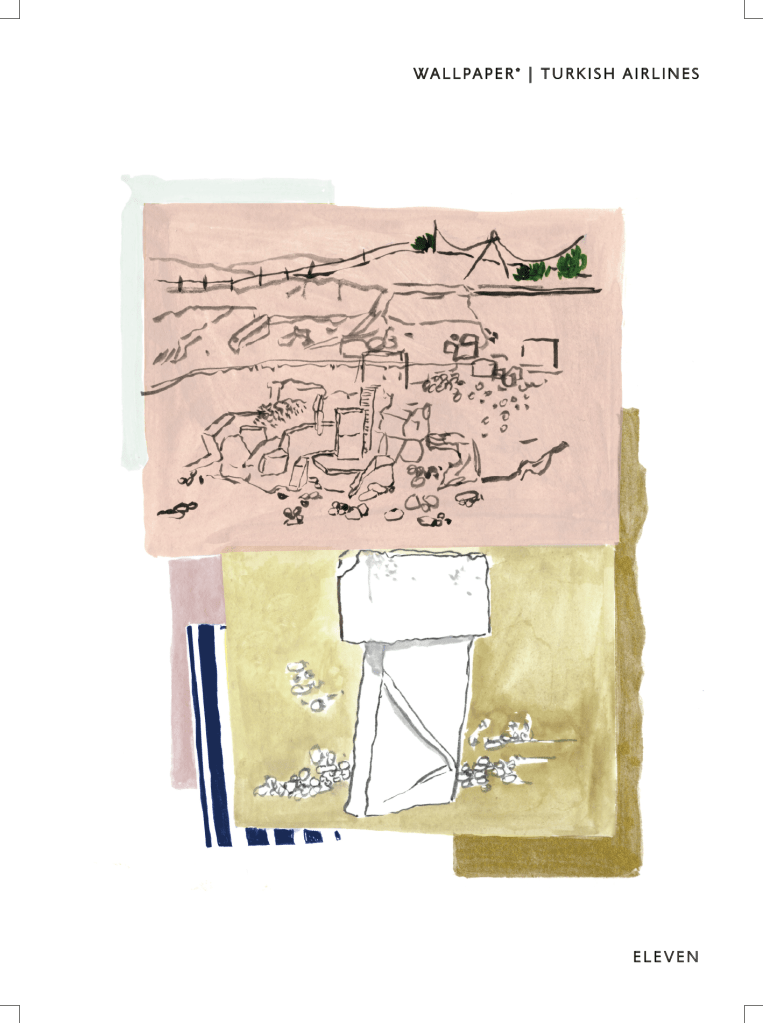
Yet deep inside, and a large step away from its major touristic attractions, another Turkey unfolds; among the daily life of its forgotten Aegean villages, ancient hiking trails that traverse the lesser-known ruins of former empires, the smaller cities touting their own famed sites and flavors. On this often-overshadowed path the modern side of Turkey also awaits, a confluence of Western values, trends and techniques with the essence of Turkish culture, flavor, demeanor and aesthetic. A whole new culture created through a unique fusion. Most notable is the rapidly developing contemporary Anatolian and Aegean kitchen, a Michelin-star worthy experiment in traditional recipes and flavors enhanced through the sophisticated standards of fine dining. All around the country newly emboldened chefs are serving tasting menus in minimal dining rooms–whether in the middle of a chaotic city or a serene olive orchard in the countryside–celebrating Turkey’s revived vineyards, the bounties of land and sea, the blooming ingredients of local suppliers.
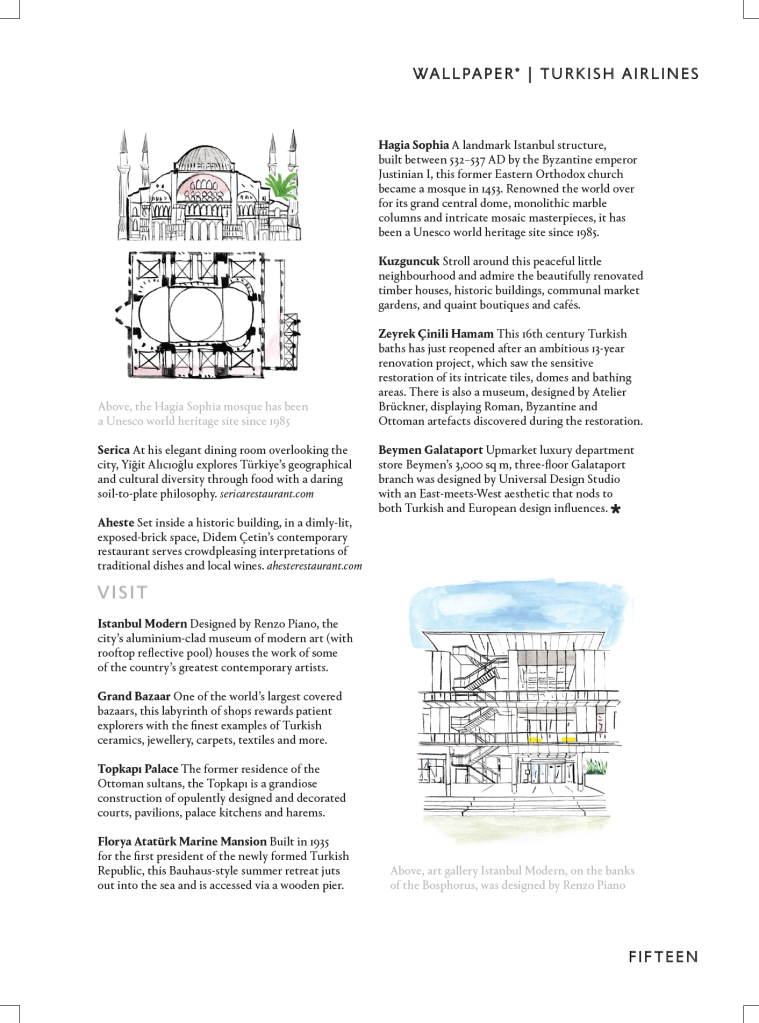
In terms of architecture, Turkey flourishes both in a historic context as well as a modern approach. Putting aside for a moment the countless architectural wonders of the many civilizations that once inhabited these lands, the contemporary projects of both domestic and international architecture firms have changed the landscape indefinitely. Sometimes as a new landmark in an already cosmopolitan city, but also, more surprisingly, in an unexpected location, harnessing the possibility to still discover and be astounded. Alas, Turkey is for discoverers, for those who are open, who are ready to go beyond the usual paths, to experience worlds that often seem at odds, but ultimately compose a unique unity. Almost harmonious, always indelible…
Wallpaper*, June 2025, The Travel Issue

 Feride Yalav-Heckeroth